Shipping Worldwide to 85+ Countries Global Export Ready Documentation OEM & Private Label Manufacturing Surgical-Grade Stainless Steel Response Within 24 Hours ISO-Certified In-House Production Since 1978 Shipping Worldwide to 85+ Countries Global Export Ready Documentation OEM & Private Label Manufacturing Surgical-Grade Stainless Steel Response Within 24 Hours ISO-Certified In-House Production Since 1978
0%

Choosing Elevators and Extractors for a business is not just a matter of comparing prices or equipment sizes. These machines shape how products move through a facility, how materials are processed, and how reliably daily work gets done. A poorly matched elevator may create bottlenecks at a loading point. An extractor that cannot handle the required volume may slow an otherwise efficient line. Small details matter.

Elevators Extractors should be evaluated against the actual work environment, not only a supplier’s headline specifications. Consider the material’s weight, texture, moisture, and flow rate. Measure available floor space, ceiling height, access routes, and the distance between processing stages. Then compare capacity, controls, cleaning access, energy use, and routine maintenance needs. Ask suppliers for documented performance data and references from businesses with similar operating conditions. A polished brochure is useful, but it cannot replace a practical discussion about installation and service.

There is no universal best choice. A compact unit may suit a growing operation today, yet leave little room for expansion later. Oversizing can also increase costs without solving the real constraint. That trade-off deserves a second look. Before purchasing, map the workflow, identify peak demand, and clarify who will inspect and maintain each machine. Reliable decisions come from matching equipment to measurable needs and verifying assumptions with qualified professionals. Some uncertainty will remain; admitting it early can prevent expensive surprises.
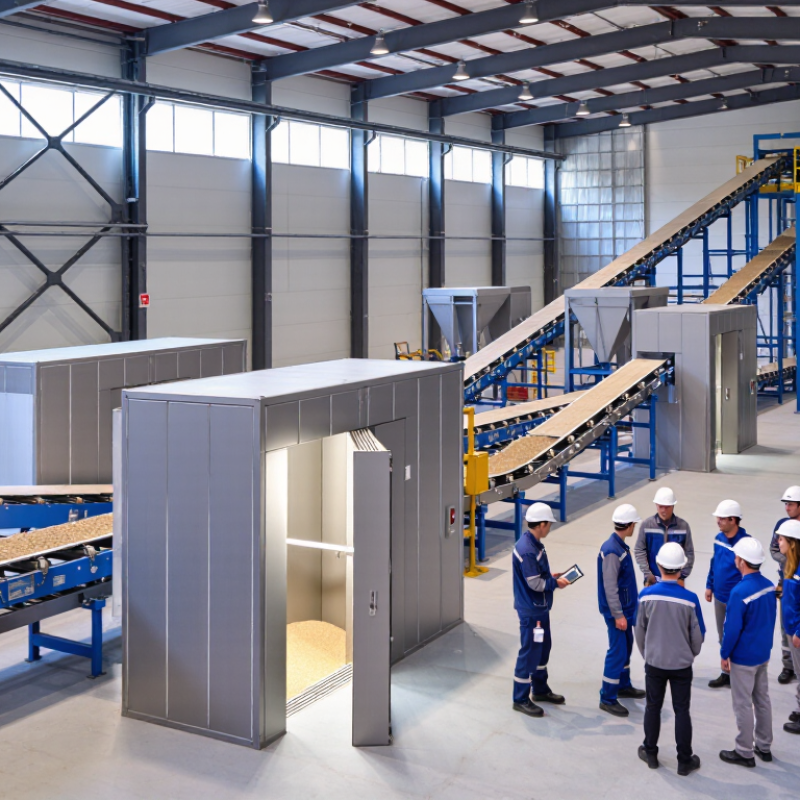
How to Choose Elevators and Extractors for Your Business

Identify the Job: Compare Elevator Load in kg and Extractor Throughput per Hour

An elevator’s load rating in kilograms tells you how much material it can carry safely per trip. An extractor’s throughput, measured in kilograms per hour, describes how much it can process over time. These figures answer different questions. Don’t compare them as if they were interchangeable.

For example, a 200 kg elevator running six cycles an hour may move about 1,200 kg hourly in ideal conditions. Real cycles take longer when bins need loading, discharge is slow, or material bridges in the hopper. An extractor rated at 900 kg per hour may also achieve less with damp, bulky, or uneven feed. Check whether its stated throughput refers to incoming material or finished output. That matters.

Match both machines to your actual workflow. Estimate the peak hourly volume, then consider the elevator’s trip time, usable load, and planned operating hours. Allow extra capacity for pauses and changing material conditions; a tight estimate often looks fine on paper. Not quite. Ask suppliers how ratings were tested, and compare figures using your own material and operating pattern. One detail is easy to miss: an elevator can carry enough per trip yet still create a bottleneck if its discharge point or cycle speed limits the extractor’s feed. A short trial with representative material can reveal that gap.

Size Elevator Capacity and Speed Against Traffic and ASME A17.1/CSA B44

Size elevator capacity and speed around actual traffic, not just the building’s floor count. Track passenger numbers during morning arrivals, lunch periods, and shift changes. Note how many people travel together and which floors they visit. A lobby queue at 8:30 a.m. may reveal more than an average daily occupancy figure. Use these observations to estimate peak handling needs, then compare suitable car capacities and travel times with a qualified vertical-transportation consultant. A larger car is not automatically better; it can add space and cost without easing a short, intense rush.

Speed affects waiting and travel time, but faster equipment alone may not solve congestion. Stops, door operation, floor spacing, and dispatch controls also shape the passenger experience. Review the design against the applicable, locally adopted edition of ASME A17.1/CSA B44. The code addresses elevator safety, while capacity and speed choices also depend on project conditions and engineering analysis. Confirm requirements with the authority having jurisdiction and qualified professionals. Assumptions can miss real traffic patterns.

Tips:Keep a simple peak-period count for several days. Compare predicted waits with observed queues. Revisit the sizing if occupancy or tenant use changes. Don’t guess.

Compare Extractors by Rated Capacity, G-Force, and Extraction Efficiency

When comparing commercial laundry extractors, check rated capacity against the dry weight your team processes on a typical shift. A machine rated for 30 kilograms may handle less in practice when towels or bulky linens fill the drum. Leave room for proper movement. Consistently overloading can reduce extraction and strain equipment, while frequent underloading may waste water and energy.

G-force indicates how strongly the drum presses water from the load during spinning. A higher figure can leave fabrics drier, but it is not automatically the best choice for every business. Delicate textiles may need gentler settings, and higher-speed extraction can affect wear. Numbers can mislead. Compare G-force alongside the fabrics you wash and the extractor’s available cycle controls.

Ask suppliers how extraction efficiency is measured, and request test results for loads similar to yours. Look at retained moisture after the cycle, not just advertised spin speed. Lower moisture can shorten dryer time, though the actual savings depend on load type, dryer performance, and operating habits. Track a few real cycles: weigh a load before washing, record its post-extraction weight, and note drying time. The comparison may be imperfect, but it gives your team useful evidence before selecting capacity and performance.

How to Choose Elevators and Extractors for Your Business

Compare extractor capacity, spin force, and moisture removal when evaluating laundry equipment.

Rated Capacity

Representative load size (kg)

Extraction Force

Representative G-force

Residual Moisture

Illustrative residual moisture content (%)

Planning examples only—not specifications for particular machines. Higher G-force can reduce residual moisture, but actual results vary with fabric, load, and cycle settings. Compare manufacturer-rated capacity and test performance with your typical laundry.

Verify Safety and Compliance with EN 81-20 and Applicable Local Codes

When comparing elevators for a business, check that the proposed design meets the applicable edition of EN 81-20 and local building requirements. The standard addresses safety during lift construction and installation, including passenger protection, access, and equipment spaces. Local codes may add requirements for fire interfaces, emergency communication, accessibility, or inspections. Confirm the rules with a qualified lift professional and the relevant authority before approving drawings. Details matter.

Tips: Request a compliance schedule, not just a sales specification. Check shaft dimensions, door clearances, rescue procedures, and inspection records. Keep revisions.

Treat extractors as separate equipment unless a competent engineer confirms otherwise. EN 81-20 may not cover their design or operation; identify the standards and local rules that apply to each system. Ask suppliers for documented test results, maintenance instructions, and clear limits on use. During installation, compare the finished work with approved plans and record any changes. A drawing can look complete and still miss a practical issue, such as access for maintenance. Raise concerns before handover, when corrections are easier to verify.

How to Choose Elevators and Extractors for Your Business - Verify Safety and Compliance with EN 81-20 and Applicable Local Codes
Equipment type Typical business application Key selection dimensions Safety and compliance checks Information to confirm before purchase
Passenger elevator Offices, hotels, retail buildings, and other premises moving people between floors. Passenger demand by floor and time of day; rated load and car size; travel height; number of stops; door width; expected traffic peaks. For lifts within its scope, verify conformity with the applicable edition of EN 81-20 and related EN 81-50 requirements, as adopted locally. Check accessibility, fire-safety, electrical, inspection, and permitting rules that apply to the building. Passenger-flow study; building layout; pit and overhead dimensions; power supply; accessibility needs; local authority approval requirements.
Goods-passenger elevator Hotels, hospitals, offices, and commercial buildings where staff move goods as well as people. Largest and heaviest loads; trolley or cart dimensions; door and car clearances; loading method; duty cycle; travel height and stops. Confirm the lift’s intended use and rated load are clearly specified. Verify applicable EN 81-20 and EN 81-50 provisions, local building and fire codes, and any rules for transporting people and goods. Load and cart measurements; loading access; operational procedures; required protection for doors and car finishes.
Goods-only or service lift Restaurants, warehouses, laboratories, and back-of-house areas moving goods between levels. Maximum load and package size; loading frequency; landing layout; travel height; whether people are permitted to ride. Confirm the equipment classification and permitted use with the supplier and local authority. EN 81-20 applies to passenger and goods-passenger lifts within its scope; it should not be assumed to apply to every goods-only lifting device. Written confirmation of permitted use, applicable product standard, guarding, interlocks, inspection regime, and local installation requirements.
Platform lift Providing access over a limited rise where a conventional passenger elevator may not suit the building. Rise and travel path; platform size and rated load; wheelchair and attendant requirements; indoor or outdoor location; frequency of use. Check which product standard and national rules apply to the specific platform lift. Verify accessibility, guarding, emergency operation, installation, and inspection requirements; do not assume EN 81-20 covers every platform lift. Site measurements; user and accessibility requirements; building consent; weather exposure; maintenance and emergency-response arrangements.
Dust extractor Capturing dust at source in woodworking, material handling, and other processes that generate airborne particles. Required airflow at each pickup point; duct layout and pressure loss; dust type and loading; filter performance; collection and disposal method. EN 81-20 is not an extractor standard. Assess workplace exposure, fire and explosion hazards, electrical safety, machinery requirements, and any applicable combustible-dust or hazardous-area rules. Process and dust assessment; capture-point design; filter and waste-handling needs; cleaning plan; hazardous-area assessment where relevant.
Fume or vapor extractor Capturing welding fume, process vapor, or other contaminants close to the point of generation. Contaminant type and source; capture distance; required airflow; hood or nozzle position; duct route; filtration or discharge method. EN 81-20 is not applicable to extraction equipment. Check occupational exposure limits, ventilation and environmental rules, chemical compatibility, electrical safety, and fire or hazardous-area requirements where applicable. Substance safety data; process conditions; exposure assessment; discharge location; filter-change and maintenance procedures.

Note: Capacity and airflow requirements depend on the building, process, and operating conditions. Treat this table as a planning guide, not a design specification. Confirm the current standards adopted in the installation location and obtain review from qualified lift, ventilation, and safety professionals before procurement or installation.

Compare Energy Use, Maintenance Intervals, and Lifecycle Cost Before Purchase

Compare equipment by annual energy use, not motor rating alone. The European E4 project reports that elevators can use roughly 3–10% of a building’s electricity, depending on building type and traffic. For extractors, request measured energy per operating hour or per unit of output. Ask suppliers to state assumptions, including daily cycles, load, standby time, and local electricity prices. Small differences add up.

Maintenance needs depend on duty cycle, dust, heat, and access to parts. Request a written schedule showing inspection frequency, expected component life, labor, and exclusions. Then compare service costs and likely downtime across the same ownership period. NIST Handbook 135 recommends evaluating costs over an asset’s full life, rather than relying only on purchase price. A spreadsheet helps, but estimates can still miss real-world delays.

Tips: Collect 12 months of operating and service records before replacing equipment. Compare annual kWh, planned service visits, parts, and downtime over 10–15 years. Ask vendors to price the same operating scenario. Check whether energy figures include standby use. If they do not, the comparison may be misleading.

FAQS

How should elevator capacity be chosen?

Count passengers during morning arrivals, lunch periods, and shift changes. Note group size and destination floors. A queue at 8:30 a.m. can reveal peak demand. Bigger is not always better.

Does a faster elevator always reduce waiting?

No. Stops, door operation, floor spacing, and dispatch controls also affect delays. Compare predicted waits with actual lobby queues. Queues tell stories.

Which safety requirements should a design meet?

Check the applicable edition of ASME A17.1/CSA B44, EN 81-20, and local building requirements. Confirm details with qualified professionals and the relevant authority.

What documents should be reviewed before approving elevator drawings?

Request a compliance schedule, shaft dimensions, door clearances, rescue procedures, and inspection records. Keep drawing revisions. Small details matter.

Do extractors follow the same requirements as elevators?

Not necessarily. Treat extractors as separate equipment unless a competent engineer confirms otherwise. Ask for applicable standards, test results, maintenance instructions, and operating limits.

How can energy use be compared fairly?

Compare annual energy use, not motor rating alone. Request assumptions for daily cycles, load, standby time, and electricity prices. Small differences add up.

What maintenance information should suppliers provide?

Ask for inspection frequency, component life, labor costs, and exclusions. Consider dust, heat, operating hours, and parts access. Estimates can miss delays.

How should lifecycle costs be evaluated?

Compare purchase, energy, service, parts, and downtime over the same period, such as 10–15 years. Use 12 months of operating records when available. Our counts may still be imperfect.

Conclusion

Choosing Elevators Extractors for your business starts with defining the job each machine must perform. Compare an elevator’s rated load in kilograms with expected passenger or goods traffic, and assess an extractor’s rated capacity, hourly throughput, G-force, and extraction efficiency. Match elevator capacity and speed to peak demand, building layout, and waiting-time expectations rather than relying on maximum specifications alone.

Before purchasing, verify that elevator designs meet applicable requirements, including EN 81-20 and relevant local codes; for systems governed by them, consider ASME A17.1/CSA B44. Compare energy consumption, maintenance intervals, service access, and expected operating life alongside the initial price. A practical evaluation of performance, safety, and lifecycle costs can help identify equipment that fits current operations while allowing for future demand.


Evelyn

Evelyn

Evelyn is a dedicated marketing professional with a strong understanding of the company’s products, services, and customer needs. With a background in strategic communication, market research, and content development, Evelyn transforms complex product information into clear, practical, and engaging......