Shipping Worldwide to 85+ Countries Global Export Ready Documentation OEM & Private Label Manufacturing Surgical-Grade Stainless Steel Response Within 24 Hours ISO-Certified In-House Production Since 1978 Shipping Worldwide to 85+ Countries Global Export Ready Documentation OEM & Private Label Manufacturing Surgical-Grade Stainless Steel Response Within 24 Hours ISO-Certified In-House Production Since 1978
0%

Choosing the right Cuticle Pushers for wholesale requires more than comparing unit prices. A low-cost tool may look attractive, yet rough edges, weak joints, or poor balance can create inconsistent salon results. Wholesale buyers should examine material quality, surface finishing, handle comfort, and tip design before placing large orders. Stainless steel is widely preferred because it resists corrosion and supports repeated professional cleaning. However, “stainless steel” alone proves little. Grade, polishing quality, and manufacturing control still matter.

Doug Schoon, a respected nail industry scientist and educator, states, “The cuticle is dead tissue.” This simple point should guide product evaluation. A reliable pusher should remove loose cuticle gently, without forcing pressure against living skin. Experienced technicians notice small details. A smooth spoon end glides across the nail plate. A sharp corner catches. A balanced handle feels safer during long appointments. These details affect customer comfort and workplace efficiency.

For wholesale purchasing, request samples before approving full production. Test several pieces under realistic salon conditions. Check alignment, grip, packaging, cleaning instructions, and batch consistency. Ask suppliers for material documentation and quality inspection records. Certifications can support trust, but they should not replace direct testing. Some buyers focus too heavily on appearance. That is a mistake, perhaps an understandable one. A polished tool can still perform poorly.

The best Cuticle Pushers combine safe design, dependable manufacturing, and practical value. They should support technicians, protect client comfort, and remain consistent across hundreds of units. A thoughtful purchasing process may take longer. It usually prevents expensive disappointment later.
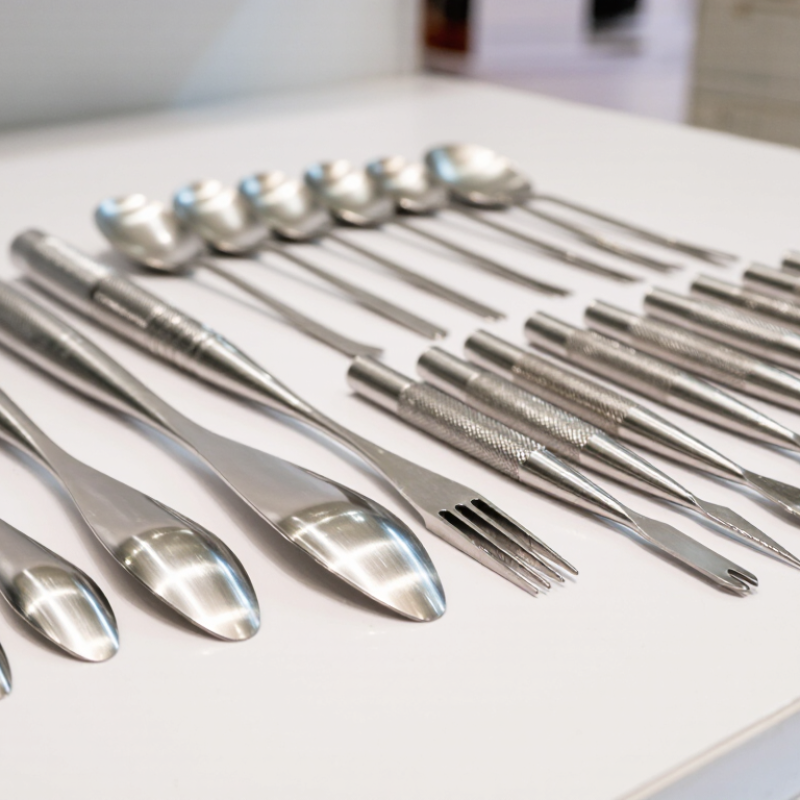
How to Choose the Best Cuticle Pushers for Wholesale

Understanding Cuticle Pushers and Their Main Uses

Understanding Cuticle Pushers and Their Main Uses

A cuticle pusher is designed to move softened, nonliving cuticle tissue from the nail plate. It can also clear residue from the sidewalls and create a cleaner surface for polish or enhancements. The living skin at the nail base is the proximal nail fold, not the cuticle. It should never be scraped aggressively. Small details matter.

For wholesale buyers, the tool’s shape should match its intended service. A rounded spoon end supports gentle pushing, while a narrow end reaches sidewalls and corners. Smooth stainless steel reduces snagging and supports repeated professional cleaning. Disposable options may suit mobile services, training schools, or high-volume settings. The wrong edge can leave tiny scratches, even when the tool looks polished.

Grand View Research reported that the global nail care products market was valued at about USD 23.41 billion in 2022, with continued growth expected through 2030.

That expansion increases demand for dependable preparation tools, but sales volume should not replace safety checks. Inspect every sample under bright light. Test the grip with gloved hands. A mirror finish is not proof of quality. The World Health Organization identifies hand hygiene as a key measure for reducing infection transmission, so wholesale packaging should include clear cleaning instructions. I would also question vague claims such as “professional grade” without material details, testing information, or traceable production records.

Comparing Materials, Shapes, and Handle Designs

Wholesale buyers should compare materials before chasing the lowest unit price. Grand View Research valued the global nail care products market at approximately USD 23 billion in 2022, with continued growth expected through 2030. That expansion increases demand for reliable salon tools. Stainless steel remains practical because it tolerates repeated cleaning and resists rust. Hardened 420 stainless offers a firmer working edge, while 304 stainless provides stronger corrosion resistance. Aluminum feels lighter, but its surface can scratch or dent more easily. Plastic handles reduce weight and cost, although they may age faster near disinfectants.

Shape changes control. A rounded spoon end suits broad nail plates and gentle cuticle work. A narrow angled end reaches sidewalls more precisely. Loop ends can lift residue, but they may feel aggressive on thin nails. Dual-ended designs reduce inventory complexity. They also create a problem: one end may be useful, while the other remains untouched. Small details matter.

Handle design often decides whether staff keep using a tool. Knurled metal improves grip with damp gloves, but deep grooves complicate cleaning. Textured polymer feels warmer and softer during long appointments. Hollow handles reduce shipping weight, yet they can feel unbalanced. The International Trade Centre’s 2023 trade data shows the importance of efficient, repeatable accessory purchasing, but it does not isolate cuticle pushers. That is a weakness in available reporting. Ask suppliers for material certificates, corrosion-test evidence, edge samples, and measurements. Test ten pieces, not one. A polished finish can still hide a slippery grip.

Checking Quality, Safety, and Ease of Sterilization

When choosing cuticle pushers for wholesale, quality should be judged by more than appearance. Look for medical-grade stainless steel with a smooth, even surface. Each tip should feel precise, not sharp or jagged. A small burr can scratch the nail plate or irritate surrounding skin. Check several pieces from every production batch. One excellent sample proves very little.

Safety also depends on design and handling. The pusher should have a comfortable grip and balanced weight. This helps technicians control pressure during detailed work. Rounded edges are usually safer for routine cuticle care. However, “safe” does not mean risk-free. I once paid too much attention to polished handles and overlooked uneven working ends. That was a useful mistake.

Tips: Ask for sterilization instructions before placing a large order. Confirm whether the tools tolerate steam sterilization, chemical disinfection, or both. Request clear temperature and exposure limits. A reliable supplier should provide material details and care guidance. Test a small quantity first. After several sterilization cycles, inspect for discoloration, rust spots, loose parts, or changes in texture. Tools should be cleaned before sterilization, then dried and stored in sealed pouches. Avoid stacking wet instruments. It seems minor, but moisture can create problems. Keep batch records and check samples regularly. Wholesale purchasing is not only about unit price; replacement rates, staff safety, and consistent performance matter too.

Matching Cuticle Pushers to Wholesale Customer Needs

How to Choose the Best Cuticle Pushers for Wholesale

Matching Cuticle Pushers to Wholesale Customer Needs

Wholesale buyers need tools matched to real working conditions. Salon technicians often prefer stainless steel pushers with rounded edges, balanced handles, and easy disinfection. Mobile technicians may choose lighter tools that fit compact cases. Retail customers usually value comfortable grips, safe-looking tips, and clear packaging.

Market demand supports careful selection. Grand View Research valued the global nail care products market at about USD 23.7 billion in 2023. It also forecasts a 5.2% compound annual growth rate from 2024 to 2030. This growth does not mean every buyer wants the same pusher. A beauty school may need durable training sets, while a salon chain may require consistent sizing across hundreds of units.

Ask practical questions before ordering. Will the tool serve frequent professional use? Is the tip narrow enough for detailed work? Does the handle remain stable with wet gloves? Stainless steel can improve durability, but finishing quality still matters. Poor polishing may create rough contact points. I have seen low-priced tools become costly after repeated replacements. That lesson is easy to miss.

The choice is not perfect. Some buyers may reject a heavier model, even when it feels stronger. Request samples, inspect ten pieces from each batch, and record defects before scaling an order. Reliability starts with evidence, not attractive specifications.

How to Choose the Best Cuticle Pushers for Wholesale

This selection matrix rates common cuticle pusher options from 1 to 5 across the needs most relevant to wholesale buyers. Stainless steel models are suited to professional salons requiring durability and sterilization compatibility, while stainless steel with a non-slip grip offers a stronger balance of comfort, control, and long-term reuse. Lightweight plastic models are more suitable for low-cost, disposable, or single-use retail programs.

Evaluating Suppliers, Pricing, Packaging, and Order Terms

Choosing wholesale cuticle pushers requires more than comparing catalog photos. A dependable supplier should provide material details, dimensions, surface treatment, and production samples. Ask whether the working edge stays smooth after repeated polishing. Test several pieces for grip, alignment, and sharp corners. A supplier that answers clearly is easier to trust.

Request a written quotation with quantity tiers, tooling fees, sample charges, and shipping terms. Calculate the landed cost, not only the unit price. A lower price may hide higher packaging or freight costs. Confirm the minimum order quantity before planning inventory. I have seen buyers accept a favorable quote, then discover that slow-moving stock tied up their cash.

Packaging should protect both the tip and the handle. Individual sleeves can prevent scratches, while strong inner cartons reduce movement during transit. Check carton dimensions, carton labels, and moisture protection. Product photos are not enough. Ask for a packing sample. It may expose weak seals or unnecessary plastic.

Order terms deserve equal attention. Confirm production lead time, payment stages, inspection rights, defect allowances, and replacement procedures. Put approved samples and specifications into the purchase agreement. A pre-shipment inspection adds cost, but it can prevent a larger loss. Leave room for delays, too; production schedules are rarely perfect. A supplier’s willingness to document changes often matters more than a polished sales presentation.

FAQS

What is a cuticle pusher used for?

It moves softened, nonliving cuticle tissue from the nail plate. It can also clear residue near sidewalls and corners. Do not scrape living skin at the nail base.

How should wholesalers choose the working end?

A rounded spoon end supports gentle pushing. A narrow end reaches sidewalls and tight corners. The wrong edge may leave tiny scratches.

Which material is suitable for repeated professional cleaning?

Smooth stainless steel is commonly suitable for repeated cleaning and sterilization. The surface should feel even, without burrs or jagged spots. A mirror finish alone proves little.

How can buyers inspect sample quality?

Examine several pieces under bright light. Test grip, balance, alignment, and working-end smoothness with gloves. One perfect sample proves very little. I once focused too much on polished handles.

What sterilization information should suppliers provide?

Ask whether the tools tolerate steam sterilization, chemical disinfection, or both. Request clear temperature and exposure limits. Clean and dry tools before sterilization. Never stack wet instruments.

How should wholesale tools be stored after sterilization?

Store dry instruments in sealed pouches. Keep batch records and inspect samples regularly. Look for rust, discoloration, loose parts, or texture changes. Small moisture problems can become expensive.

What should a wholesale quotation include?

Request quantity tiers, sample charges, tooling fees, and shipping terms. Calculate the landed cost, not only the unit price. Confirm the minimum order quantity. Cheap stock can still trap working cash.

What packaging protects cuticle pushers during shipping?

Individual sleeves can reduce scratches around the tip and handle. Strong inner cartons should limit movement during transit. Ask for a packing sample. Weak seals may appear immediately.

Which order terms should buyers confirm before purchasing?

Confirm lead time, payment stages, inspection rights, defect allowances, and replacement procedures. Put approved samples and specifications into the agreement. Allow extra time for delays. Schedules are rarely perfect.

Conclusion

Choosing the best Cuticle Pushers for wholesale requires more than comparing prices. Buyers should first understand the main uses of these tools, including gently lifting and shaping cuticles during professional manicures and personal nail care. Material selection is important, as stainless steel, plastic, and other options offer different levels of durability, comfort, flexibility, and maintenance. Shape and handle design should also be evaluated to ensure precise control, ergonomic handling, and suitability for different users.

Wholesale buyers should carefully check product quality, smooth edges, structural strength, corrosion resistance, and ease of cleaning or sterilization. The ideal selection depends on customer needs, such as salon professionals, beauty schools, retailers, or home users. In addition, suppliers should be assessed for consistent quality, transparent pricing, packaging protection, production capacity, and reasonable order terms. A reliable supplier should communicate clearly, support customization when appropriate, and provide products that balance safety, performance, appearance, and long-term value.


Amelia

Amelia

Amelia is a highly skilled marketing professional with a deep understanding of the company’s products, services, and customer needs. With a strong background in market research, content strategy, and business communication, she transforms complex product information into clear, practical, and......