Choosing the right Cuticle Nippers is more difficult than comparing product photos. Global buyers must examine sharpness, jaw alignment, handle comfort, steel quality, and production consistency. A polished finish alone proves very little.
This guide introduces ten Cuticle Nippers selected for different professional and commercial needs. Some models suit salon technicians who perform detailed work around narrow nail edges. Others may fit retailers seeking durable tools, attractive packaging, or stable wholesale supply. We consider stainless steel grades, cutting precision, spring response, grip design, cleaning procedures, and supplier communication. Small details matter. A stiff spring can tire the hand. Uneven jaws can damage delicate skin. Poor packaging may leave edges misaligned before the first use.
The evaluation also reflects practical buying experience. Reliable suppliers should provide clear specifications, inspection records, material information, and consistent samples. Buyers should confirm compatibility with their cleaning and sterilization procedures. Regional product requirements can differ, so local verification remains necessary. No ranking is perfect. Hand size, working habits, and budget influence the final choice. That is worth remembering.
The following comparison balances measurable features with real-world usability. It does not treat the most expensive tool as automatically superior. Instead, it asks whether each model delivers controlled cutting, comfortable handling, and dependable value. A few products may perform strongly but still need better packaging or clearer documentation. Those weaknesses deserve attention before a large order. Careful testing on sample units can prevent costly surprises.
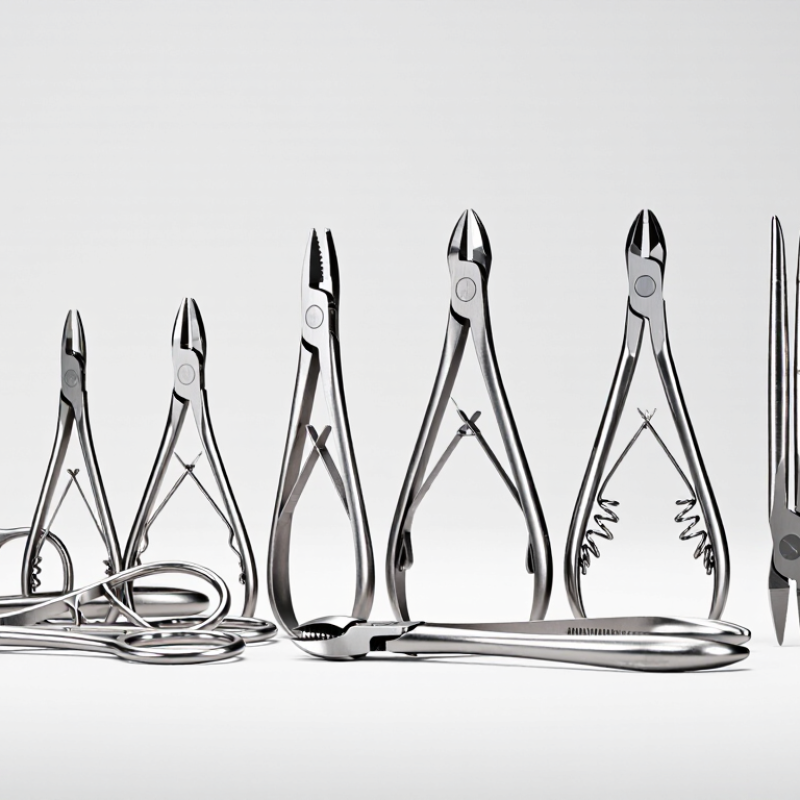
A suitable cuticle nipper should serve different markets without losing precision. Global buyers need reliable performance, clear specifications, and manageable sourcing risks. Stainless steel construction helps resist moisture, but steel grade still matters. Ask for material details, hardness data, and corrosion test results.
During practical checks, the jaws should meet evenly and cut thin cuticles cleanly. Uneven jaws can pull skin and reduce customer trust. Small details matter. Handles should feel stable, not painfully tight, after repeated use. A textured grip helps technicians work safely with damp hands. Smooth springs and controlled tension also reduce fatigue during busy salon hours.
Hygiene deserves equal attention. The tool should tolerate approved cleaning and sterilization methods without rusting or loosening. Buyers should confirm care instructions before placing large orders. Packaging must protect the tips from impact, especially during long-distance transport. Clear labels, inspection records, and consistent batch quality support dependable importing. Local documentation and product requirements should also be checked before shipment. Requirements differ across markets.
A polished finish can hide weak alignment. That is why sample testing remains essential. I would compare several samples, measure jaw closure, inspect the pivot, and repeat cleaning cycles. No tool is perfect. Even a comfortable design may feel unsuitable for smaller hands, so feedback from real technicians should influence the final purchase.
| Rank | Product Profile | Typical Length | Typical Weight | Jaw Configuration | Common Steel Type | Cutting Capacity | Spring System | Sterilization Suitability | Handle Ergonomics | Global-Buyer Suitability |
|---|---|---|---|---|---|---|---|---|---|---|
| 1 | Precision Professional Nipper Best overall |
105–115 mm | 35–50 g | Sharp, narrow 3–5 mm jaw | Hardened stainless steel, commonly 420 or 440A | Thin cuticle and hangnail trimming | Replaceable double-leaf spring | Autoclave compatible when specified by the manufacturer | Textured, balanced handles for repeated use | 9.4/10 |
| 2 | Compact Travel Nipper Best for portability |
90–100 mm | 20–35 g | Short, narrow jaw | Stainless steel | Light-duty cuticle maintenance | Integrated tension spring | Suitable for surface disinfection; verify heat tolerance | Small profile for compact kits | 8.6/10 |
| 3 | Wide-Handle Comfort Nipper Best for hand comfort |
110–125 mm | 45–65 g | Medium 4–6 mm jaw | 420 stainless steel | Cuticle edges and small hangnails | Double-leaf spring | Generally suitable for professional sterilization | Wider finger loops reduce hand pressure | 8.9/10 |
| 4 | Fine-Tip Detail Nipper Best for precision |
100–110 mm | 30–45 g | Extra-fine 2–3 mm jaw | Hardened stainless steel | Small, precise cuticle sections | Low-resistance spring | Autoclave compatible if marked accordingly | Fine handles support controlled movement | 9.0/10 |
| 5 | Heavy-Duty Salon Nipper Best for frequent use |
115–130 mm | 55–80 g | Medium-wide 5–7 mm jaw | 440A stainless steel | Frequent professional trimming | Replaceable coil or leaf spring | Designed for repeated cleaning and sterilization | Rigid construction with high grip stability | 8.8/10 |
| 6 | Anti-Glare Matte Nipper Best for visual comfort |
105–120 mm | 35–55 g | Medium sharp jaw | Stainless steel with matte finish | Routine cuticle and hangnail work | Double-leaf spring | Finish and sterilization instructions must be checked | Non-reflective surface improves working visibility | 8.5/10 |
| 7 | Left-Hand-Friendly Nipper Best for user flexibility |
105–120 mm | 35–55 g | Symmetrical or reversible jaw alignment | 420 stainless steel | Light-to-medium cuticle trimming | Reversible or replaceable spring | Suitable when the steel grade supports sterilization | Balanced design for either hand | 8.4/10 |
| 8 | Corrosion-Resistant Medical-Grade Nipper Best for humid markets |
105–125 mm | 40–65 g | Sharp medium-width jaw | Higher-grade stainless steel, often 316 or hardened 440A | Routine and professional cuticle work | Replaceable leaf spring | Strong resistance to moisture and repeated sterilization | Textured grip supports wet-work environments | 9.1/10 |
| 9 | Entry-Level Standard Nipper Best value profile |
100–115 mm | 30–50 g | Medium 4–6 mm jaw | Basic stainless steel | Occasional personal use | Fixed spring | Disinfection is recommended; confirm heat-sterilization limits | Simple smooth handles | 7.8/10 |
| 10 | Reusable Kit-Compatible Nipper Best for product sets |
100–120 mm | 30–55 g | Medium narrow jaw | Stainless steel | General cuticle maintenance | Compact replaceable spring | Suitable for sterilization when supplied with validated instructions | Neutral shape fits manicure kits | 8.2/10 |
Ask for the stainless-steel grade, hardness data, and corrosion test results. Moisture resistance matters after repeated cleaning. Appearance alone proves little.
Close the handles slowly. The cutting edges should meet evenly, without gaps or scraping sounds. Test thin cuticles on a training pad. Uneven jaws may pull skin.
Hold each tool for five minutes. Then make several controlled cuts. Stable handles, textured grips, and smooth springs reduce hand fatigue. A stiff spring can still hurt.
Check the pivot for looseness and wobbling. The jaws should open smoothly and stop predictably. A replaceable spring may simplify maintenance.
Confirm cleaning and sterilization instructions before ordering. Repeat approved cleaning cycles on samples. Inspect for rust, loosened parts, or finish changes.
A firm cap should cover the cutting tips. Strong packaging reduces impact damage during long transport. Check delivered samples, not only packaging photographs.
Request material certificates, inspection records, care guidance, and consistent sample measurements. Also check local product requirements. Rules differ between markets.
Test several units from the same production lot. Record jaw width, cutting force, and maintenance needs. My early comparisons trusted appearance too much. That was a poor shortcut.
Choosing the right Cuticle Nippers for global buyers requires more than comparing prices. A suitable product should combine sharp, precise blades with comfortable handles, reliable spring action, and a design that supports controlled trimming. Buyers should evaluate blade alignment, cutting performance, grip, durability, corrosion resistance, and overall ease of use. Stainless steel and other high-quality materials may offer better strength, hygiene, and long-term performance when properly finished and maintained.
Safety and usability are also essential when comparing the top 10 options. Features such as protective caps, smooth edges, stable movement, and ergonomic construction can help reduce accidental cuts and user fatigue. Before ordering, global buyers should confirm product specifications, size, packaging, quality consistency, customization options, shipping requirements, and supplier communication. Reviewing samples, inspection standards, and after-sales support can further reduce purchasing risks and help ensure that the selected Cuticle Nippers meet professional expectations across different markets.