Shipping Worldwide to 85+ Countries Global Export Ready Documentation OEM & Private Label Manufacturing Surgical-Grade Stainless Steel Response Within 24 Hours ISO-Certified In-House Production Since 1978 Shipping Worldwide to 85+ Countries Global Export Ready Documentation OEM & Private Label Manufacturing Surgical-Grade Stainless Steel Response Within 24 Hours ISO-Certified In-House Production Since 1978
0%

China’s manufacturing scale makes it a natural place to look for precision cutting equipment, but scale alone does not prove quality. The National Bureau of Statistics’ Statistical Communiqué on 2023 National Economic and Social Development reported that manufacturing value added grew 5.0% that year. This is useful context, not a Razor Cutters industry figure. It says little by itself about blade consistency, machine tolerances, or after-sales support. Those details matter on a production line, where a rough cut can mean wasted film, paper, or packaging material.

This guide introduces ten Chinese manufacturers and the evidence buyers should compare: product range, material options, customization, quality controls, export experience, and technical service. The selection should be treated as a research starting point, not an official ranking. Company claims can be hard to compare. Some suppliers publish detailed specifications; others leave important questions unanswered. That gap is worth noticing. Before requesting a quote, check the cutter’s intended material, operating speed, blade life, and replacement availability. Ask for test results or samples where practical, and verify certifications directly with the supplier. The NBS report describes the wider manufacturing environment, while a buyer’s decision still depends on product-specific evidence. A careful comparison is less flashy, but more useful.
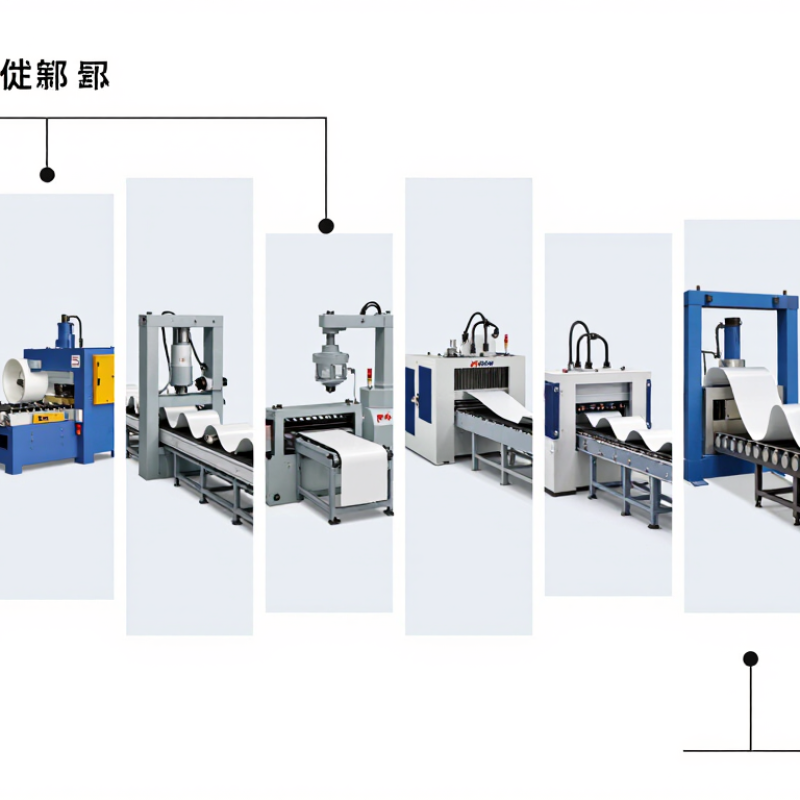
Who Are the Top 10 Razor Cutter Manufacturers in China?

How Are Razor Cutter Blades Classified by Material, Edge Geometry, and Application?

Razor cutter blades are commonly classified by material, edge geometry, and intended use. High-carbon steel can take a keen edge and suits clean cuts in paper or thin film. Stainless steel offers better resistance to moisture, though its performance depends on grade and heat treatment. Carbide blades are often selected for long production runs or abrasive materials. The choice matters.

Edge geometry changes how a blade enters and moves through material. A single-bevel edge can guide a cut against a flat surface, while a double-bevel edge can suit balanced, two-direction cutting. Blade thickness, bevel angle, and holder design also affect control. A sharp blade is not automatically the safest or most efficient option. Packaging film, labels, textiles, and paper may each need a different balance of cutting force and edge life. In practice, these categories can overlap, and a worn edge may behave differently than its specification suggests.

Tips: Match the blade to the material and cutter, then test on a sample. Check for tearing, drag, and burrs under consistent conditions. Record results; small trials can prevent wasted stock.

Which Technical Benchmarks Matter: 0.10 mm Gauge, 600–700 HV Hardness, and Coatings?

A 0.10 mm razor blade is thin enough to cut cleanly, but small variations can affect handling and edge stability. Buyers should confirm whether the stated gauge refers to the blade body or includes a coating. Ask for measurement locations, tolerances, and inspection records. A single reading is not enough. For production checks, consistent sampling matters as much as the nominal figure.

Tips: Request a gauge report from several points across the blade, plus a sample for your own inspection. Check for burrs under magnification.

Hardness around 600–700 HV can indicate a wear-resistant edge, yet hardness alone does not predict cutting life. The test method, sampling position, and heat treatment all matter. Ask manufacturers how they verify hardness and whether results apply to the finished blade. Coatings may reduce friction or protect against corrosion, but thickness and adhesion can affect cutting feel. Compare coated and uncoated samples using the same material and cutting conditions. Some specifications look precise on paper; real performance can still be uneven. Keep that in mind.

How Can China’s Top 10 Manufacturers Be Ranked by Output, Exports, and Product Range?

Ranking China’s ten leading razor cutter manufacturers requires more than comparing factory size. Annual output matters, but published capacity can differ from actual shipments. A credible comparison should favor verified production records, consistent delivery data, and clear measurement periods. Numbers need context.

Exports offer another useful measure. Customs records, shipment histories, and the number of served markets can help show whether production meets international demand. Yet export volume alone may reflect a few large orders, not dependable performance. Check repeat shipments and product consistency where data is available. Small details count.

Product range is the third measure: blade widths, edge options, materials, and custom specifications indicate manufacturing flexibility. A factory offering several standard sizes may suit routine orders, while specialized requirements call for documented quality controls and stable lead times. One ranking model could weight output at 40 percent, exports at 35 percent, and range at 25 percent. These weights are a practical starting point, not a universal rule. Public data is uneven, and some figures remain unverified. That limitation should be visible in any top-ten comparison.

How Do Their Production Capacity, Quality Systems, and Certifications Compare?

When comparing China’s leading razor cutter manufacturers, production capacity should be checked against actual equipment and delivery records. A large monthly output claim means little if grinding stations, heat-treatment ovens, or inspection lines become bottlenecks. Ask for typical lead times, peak-season output, and the percentage of orders delivered on schedule. Small details matter: blade thickness, edge consistency, and packaging speed can affect both throughput and repeatability.

Quality systems deserve equal scrutiny. Look for documented checks at incoming steel inspection, heat treatment, grinding, and final packing. Ask how often blade dimensions and cutting performance are sampled, and whether production batches can be traced to material records. Strong answers include real inspection reports, not only polished certificates. Visit the factory if possible. A short production-line observation can reveal whether checks happen during work or only at the end.

Certifications help, but their scope must match the product and facility. Request current documents and verify the issuing body, covered site, and expiry date. ISO-based quality certification can indicate controlled procedures, yet it does not prove every cutter meets your specifications. I would compare several factories using the same sample test and audit checklist. Capacity figures and certificates can still leave gaps; buyer-side testing remains important.

What Should Buyers Check in Customization, MOQ, Lead Time, and After-Sales Support?

When comparing Chinese razor cutter manufacturers, treat customization as an engineering discussion, not merely a logo change. Share a drawing, target blade dimensions, handle material, edge style, and intended cutting task. Ask which tolerances can be maintained consistently, then request a pre-production sample. Test it on your own materials, not just a clean showroom sheet. Small details matter.

Minimum order quantity can depend on blade steel, custom tooling, color, packaging, and stocked parts. Ask for separate quantities for standard and customized versions; a low quoted MOQ may exclude setup costs. Confirm what changes the price and whether unused packaging or components can carry over to repeat orders. Get it in writing.

For lead time, request dates for sampling, approval, production, inspection, and dispatch, rather than one broad estimate. Clarify when the schedule starts and how delays are reported. After-sales support should include a named contact, defect-reporting steps, replacement terms, and response targets. Keep photos, batch numbers, and inspection records. A checklist can still miss something, but vague specifications often create avoidable delays.

Who Are the Top 10 Razor Cutter Manufacturers in China? What Should Buyers Check in Customization, MOQ, Lead Time, and After-Sales Support?

Buyer’s comparison table: The profiles below describe common razor-cutter manufacturing capabilities, not named or independently ranked companies. MOQ and lead-time figures are indicative planning ranges only; confirm actual terms for the exact product, materials, packaging, and order quantity.

No. Manufacturer capability profile Typical product focus Customization to check Indicative MOQ to discuss Indicative production lead time After-sales support to confirm Buyer checks before ordering
1 Snap-off utility knife specialist Retractable knives with segmented blades, commonly in 9 mm, 18 mm, or wider formats. Handle color, logo, grip texture, blade material, blade count, slider design, and retail packaging. About 1,000–5,000 units for standard models; custom tooling or components may require more. About 25–45 days after sample approval and deposit for a standard production order. Written defect policy, replacement-part availability, response time, and claim evidence requirements. Check blade fit, locking strength, blade-feed operation, edge consistency, and packaging drop resistance.
2 Heavy-duty metal-body cutter producer Aluminum-alloy or steel-bodied utility knives for construction, warehousing, and industrial use. Body finish, anodizing or coating, grip inserts, blade storage, logo marking, and holster options. About 500–2,000 units, depending on the body design and finishing requirements. About 30–50 days; allow additional time for new finishes, tooling, or pre-production samples. Confirm warranty scope for mechanisms and finishes, spare parts, and the process for handling transit damage. Request material and finish specifications; inspect handle edges, mechanism tolerances, and corrosion resistance where relevant.
3 Retractable safety-knife manufacturer Safety cutters with guarded or concealed blades for carton opening and workplace applications. Blade exposure, spring or slider mechanism, handle color, logo, lanyard feature, and packaging language. About 1,000–3,000 units for established designs; custom mechanisms may have higher minimums. About 30–50 days after confirmation of the approved design and production sample. Ask how safety-related complaints are investigated and whether replacement mechanisms are available. Test blade return or guard operation, opening force, repeated-use durability, and suitability for the intended task.
4 Precision craft and hobby cutter producer Small-format craft knives, precision handles, and replaceable fine-point blades. Handle diameter, grip material, blade compatibility, protective cap, color, logo, and kit configuration. About 500–2,000 sets, depending on blade assortment and packaging. About 25–45 days; printed or specially configured kits can extend the schedule. Confirm blade replenishment options, complaint handling, and whether replacement blades can be ordered separately. Check blade seating, cap retention, handle balance, and whether replacement blades match the approved sample.
5 Rotary-cutter and fabric-cutting tool producer Handheld rotary cutters with circular blades for fabric, paper, or other specified sheet materials. Blade diameter, handle design, left- or right-hand usability, locking feature, color, and blade pack. About 500–2,000 units; blade diameter and custom packaging can affect the minimum. About 30–50 days, subject to blade availability and sample approval. Check availability of replacement blades, warranty terms for the locking mechanism, and response time for quality claims. Verify blade rotation, guard or lock function, handle comfort, and cutting performance on the intended material.
6 Replaceable-blade scraper manufacturer Handheld scrapers for removing labels, residue, or coatings from compatible surfaces. Handle material, blade width, blade-retention method, protective cover, logo, and spare-blade packaging. About 1,000–3,000 units for standard designs; custom blade formats may change the MOQ. About 25–45 days for standard designs; confirm separately for custom blades or components. Clarify replacement-blade sourcing, defect reporting deadlines, and remedies for blade-retention issues. Check blade retention, edge protection, handle durability, and compatibility with the surfaces specified for use.
7 Industrial blade-and-cutter assembly supplier Cutters supplied with replaceable blades for repetitive workshop or production-floor tasks. Blade grade, blade dimensions, handle material, assembly options, labels, and bulk-pack format. About 1,000–5,000 units, depending on the blade specification and assembly configuration. About 30–55 days; confirm component availability before setting a delivery date. Request a documented batch-claim process, traceability details, and a clear policy for nonconforming goods. Ask for a pre-shipment inspection plan and verify blade dimensions, assembly consistency, and carton labeling.
8 Private-label hand-tool OEM Existing cutter designs adapted for a buyer’s brand, packaging, or sales channel. Logo method, color matching, instruction inserts, barcode labels, retail packaging, and carton marks. About 1,000–3,000 units per model; mixed-model orders and packaging rules require confirmation. About 30–50 days after artwork, packaging, and samples are approved. Agree on packaging-error remedies, spare-unit arrangements, and a named contact for post-shipment claims. Approve artwork and a signed sample; verify barcode readability, language requirements, and packaging dimensions.
9 Custom-molded plastic cutter producer Cutters using molded plastic handles, often designed around a specific grip or product appearance. Resin type, color, grip pattern, logo placement, mold design, and assembly details. Often about 2,000–5,000 units for a customized design; tooling charges and mold ownership should be agreed separately. About 35–60 days or longer when new tooling, mold trials, or revisions are required. Confirm mold maintenance, mold ownership and access, spare-part support, and responsibility for tooling repairs. Request a tooling quotation, trial samples, written material specifications, and approval records before mass production.
10 Export-oriented multi-category cutter supplier A range of utility knives, safety cutters, scrapers, or related replacement blades for export orders. Product selection, private-label packaging, assortment packs, export carton configuration, and documentation. About 1,000–5,000 units per model; mixed-SKU orders may have separate minimums for each item. About 30–55 days after all models, artwork, and order details are finalized. Confirm export-document support, claim deadlines, response times, and whether corrective action is provided in writing. Check that each SKU is covered by the quotation and sample approval; agree on inspection criteria and shipment terms.

Before placing an order: Request a current quotation, product drawings or specifications, production samples, written MOQ and lead-time commitments, inspection criteria, payment and shipping terms, and a written after-sales policy. Independently verify the supplier’s legal entity, manufacturing capability, and any product or market-specific compliance requirements.

FAQS

How can buyers judge a manufacturer’s real production capacity?

Check grinding stations, heat-treatment ovens, and inspection lines. Ask for typical lead times and peak-season output. Delivery records matter more than a large monthly claim.

Which production details can affect consistency?

Blade thickness, edge quality, and packaging speed all matter. Small variations can affect repeat orders. Easy to overlook.

What quality checks should a factory document?

Look for checks on incoming steel, heat treatment, grinding, and final packing. Ask for inspection reports and batch records, not just certificates.

How can buyers evaluate cutting performance?

Request samples and test them on your own materials. A clean showroom sheet may not reflect everyday use. I would not rely on one test alone.

What should buyers verify on quality certificates?

Check the issuing body, covered facility, and expiry date. Quality certification can show controlled procedures, but it does not prove every cutter meets your specifications.

What information should a customization request include?

Share blade dimensions, tolerances, handle material, edge style, and intended cutting task. Request a pre-production sample. Then check whether the stated tolerances seem realistic.

What can affect minimum order quantities and pricing?

Steel type, custom tooling, color, packaging, and stocked parts can change the minimum. Ask for separate quantities for standard and customized versions. Get setup costs in writing.

How should buyers assess lead times and after-sales support?

Request dates for sampling, approval, production, inspection, and dispatch. Confirm when the schedule begins. Ask for a named contact, defect-reporting steps, replacement terms, and response targets. Keep photos and batch numbers. A checklist can still miss things.

Conclusion

Choosing among China’s top Razor Cutters manufacturers requires looking beyond headline production figures. Blades can be compared by material, edge geometry, and intended application, while technical benchmarks such as a 0.10 mm gauge, 600–700 HV hardness, and suitable coatings help buyers assess precision, durability, and cutting performance. A meaningful manufacturer comparison should also consider output, export capability, and product range rather than relying on a single ranking metric.

Production capacity, documented quality systems, and relevant certifications can indicate whether a supplier is prepared to meet consistent requirements. Before placing an order, buyers should confirm customization options, minimum order quantities, realistic lead times, and the scope of after-sales support. Evaluating these factors together helps match blade specifications and supply arrangements to operational needs, while reducing the risk of choosing a product or supplier that cannot meet expectations.


Ethan

Ethan

Ethan is a highly experienced marketing professional dedicated to helping businesses understand products, markets, and customer needs more clearly. With a strong background in strategic communication, content development, and industry research, he brings both creativity and analytical thinking to......