Shipping Worldwide to 85+ Countries Global Export Ready Documentation OEM & Private Label Manufacturing Surgical-Grade Stainless Steel Response Within 24 Hours ISO-Certified In-House Production Since 1978 Shipping Worldwide to 85+ Countries Global Export Ready Documentation OEM & Private Label Manufacturing Surgical-Grade Stainless Steel Response Within 24 Hours ISO-Certified In-House Production Since 1978
0%

Choosing the right Nail Pliers can make trimming cleaner, safer, and more comfortable. However, no single design suits every nail, hand, or grooming routine. Cuticle nippers, toenail nippers, diagonal nail clippers, and end-cutting nippers each serve different purposes. Their shapes may look similar, but their cutting action can differ significantly.

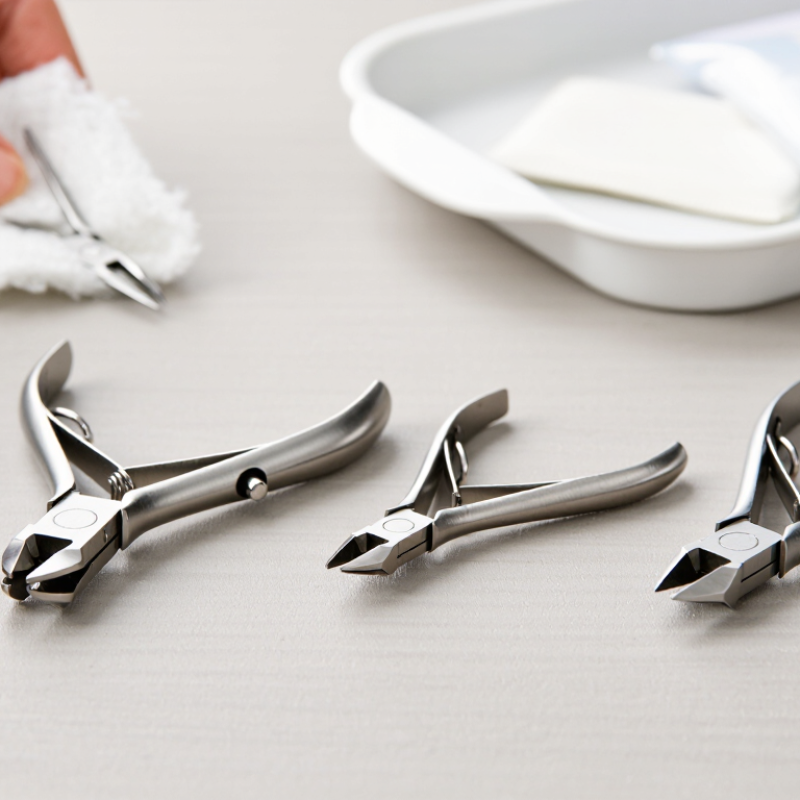
Cuticle nippers usually have slim jaws for removing loose, dead skin around the nail plate. Toenail nippers often feature stronger jaws and wider handles for thicker nails. Diagonal pliers can create controlled cuts along nail edges, while end-cutting styles trim from the front with direct pressure. Fit matters. A professional-grade tool should open smoothly, close evenly, and hold a firm edge without forcing the user’s wrist.

Material and maintenance also deserve attention. Stainless steel is common because it resists corrosion and supports regular cleaning. Still, “stainless” does not mean maintenance-free. Wipe the tool after use, follow the manufacturer’s cleaning instructions, and store it dry. Never share personal grooming tools without proper disinfection.

Small differences matter. A spring that feels too stiff may cause hand fatigue. Misaligned jaws can split the nail instead of cutting it. Beginners may also confuse cuticle trimming with removing living tissue, which can cause unnecessary irritation. This guide compares the top types of Nail Pliers by design, purpose, comfort, and control. It also acknowledges an important limitation: product labels are not always consistent, so careful inspection matters more than marketing language.
What Are the Top Types of Nail Pliers?

Main Categories of Nail Pliers and Their Primary Uses

What Are the Top Types of Nail Pliers?

Nail pliers come in several categories, each designed for a specific cutting task. Standard nail clippers suit everyday fingernail trimming. Their compact jaws create a clean edge with controlled pressure. Toenail nippers have wider, stronger jaws for thicker nails. They work best with small cuts rather than one forceful squeeze. That reduces splitting and discomfort. Curved-jaw nippers follow the nail’s natural shape, while straight-jaw models provide a precise, squared finish. I often prefer straight edges for toenails because they can help avoid excessive corner removal.

Cuticle nippers are smaller and sharper. They remove loose, dead cuticle tissue, not living skin. Hangnail nippers target tiny pieces of torn skin near the nail wall. They should never be used to dig into healthy tissue. Professional-grade pliers may include narrow tips, spring handles, or adjustable tension. These features improve control, but they do not replace careful technique. A tool can feel comfortable and still cut poorly. That is something I learned through practice.

Tips: Soften nails after bathing, then dry them before cutting. Hold the pliers firmly, but avoid squeezing too hard. Trim gradually and inspect each edge under bright light. Clean the tool before and after use, following its material-care instructions. If a nail is painful, discolored, or unusually thick, seek advice from a qualified healthcare professional. No tool is perfect. Good results depend on fit, patience, and knowing when to stop.

How Nail Clippers Differ from Nail Nippers and Cuticle Pliers

What Are the Top Types of Nail Pliers?

How Nail Clippers Differ from Nail Nippers and Cuticle Pliers

Nail clippers use a compact, curved jaw for quick trimming. They suit fingernails and regular toenail maintenance. Nail nippers have longer handles and stronger, sharper jaws. Their leverage helps cut thick, rigid, or ingrown-looking nail edges more carefully. Cuticle pliers are different. Their narrow tips remove small, loose pieces of dead cuticle, not living skin. The distinction matters. A mismatched tool can create ragged edges, soreness, or tiny tears.

Professional demand supports this tool-specific approach. Grand View Research’s 2024 nail-care market analysis projects about 5.2% annual growth through 2030. That growth includes salon services and home-use products, not pliers alone. The U.S. Bureau of Labor Statistics also projects 9% employment growth for manicurists and pedicurists from 2022 to 2032. More trained users may mean better instrument selection, but training still varies. I have found that beginners often squeeze too hard. Pressure is not precision.

Tips: Choose clippers for routine length control. Choose nippers for thicker nails, using small cuts instead of one forceful bite. Use cuticle pliers only on detached, nonliving tissue. Clean and dry each tool after use. Never share unclean instruments. The American Academy of Dermatology Association recommends avoiding aggressive cuticle cutting because cuticles help protect the nail root. Even experienced users should pause when skin bleeds, pain increases, or the nail changes color.

Choosing Nail Pliers for Fingernails, Toenails, and Ingrown Nails

What Are the Top Types of Nail Pliers?

Choosing nail pliers starts with the nail’s thickness and shape. Fingernail pliers usually have smaller, narrower jaws. They suit soft or moderately thick fingernails and allow controlled trimming around curved edges. A sharp cutting edge matters more than extra force. Trim small sections, rather than taking one deep cut.

Toenail pliers need stronger jaws and longer handles. Thick toenails can resist ordinary fingernail tools, especially after repeated pressure or age-related changes. Choose a stable grip and a cutter that opens smoothly. Cut toenails mostly straight across, leaving the corners visible. This reduces the chance of sharp edges pressing into nearby skin.

Ingrown nail pliers have slim, precise tips for lifting or removing small nail sections. They require patience, clean hands, and bright lighting. Never dig deeply into painful or swollen skin. Stop if bleeding, spreading redness, warmth, or drainage appears. People with diabetes, poor circulation, or reduced sensation should ask a qualified healthcare professional for help. A home tool cannot replace an examination.

Cleaning the pliers before and after use is easy to forget. It should not be. Wipe the jaws with suitable disinfectant and let them dry completely. Do not share them. A slightly awkward grip can cause a jagged cut, so pause and adjust your hand. I sometimes prefer a slower tool with better control; speed is not always safer.

What Are the Top Types of Nail Pliers?

The chart compares the practical suitability of common nail-pl tool types for fingernails, toenails, and ingrown nails. Scores range from 1 (limited suitability) to 5 (strong suitability), based on cutting access, control, and the thicker or curved shape of the nail.

Standard clippers are convenient for fingernails, larger toenail clippers provide more leverage for thick toenails, and precision nippers offer better access around an ingrown nail. Ingrown nails can require professional care, especially when pain, swelling, or infection is present.

Key Features That Affect Nail Plier Performance and Comfort

What Are the Top Types of Nail Pliers?

Nail pliers vary by purpose, but their performance depends more on construction than appearance. Cuticle nippers use narrow, precise jaws for removing loose cuticle edges. Nail clippers have broader jaws for trimming thicker nails. Ingrown-nail pliers often include slim, angled tips, although they require careful handling and professional guidance when discomfort or inflammation appears.

Jaw alignment is critical. When the cutting edges meet evenly, the tool produces a clean cut with less pressure. Stainless steel offers durability and easier cleaning, but material quality can differ widely. A stiff joint may cause hand fatigue, while excessive looseness can crush rather than cut. I once preferred a very sharp tool, then noticed it demanded poor control. Sharpness alone is not performance.

Handle design affects comfort during repeated use. Rounded grips reduce pressure on the fingers, and a smooth spring supports consistent opening. The spring should return gently, not snap aggressively. Balance matters too. A lightweight tool may feel convenient, yet a little weight can improve stability. I still find grip texture difficult to judge from photographs. In practice, dry hands, hand size, and cutting angle change the experience. Clean the pliers after use, keep the hinge lightly maintained, and replace them when the jaws no longer align. Small details matter.

What Are the Top Types of Nail Pliers? - Key Features That Affect Nail Plier Performance and Comfort

Nail Plier Type Primary Use Jaw or Blade Design Typical Cutting Capacity Best Handle Design Key Comfort Features Performance Factors Recommended User
Nail Nippers Cutting thick or long fingernails and toenails Concave cutting jaws that follow the natural curve of the nail Thin to thick nails, generally up to about 3 mm depending on construction Wide, offset handles with a strong central pivot Textured grip, smooth spring action, and moderate handle length Sharp jaw alignment, leverage, pivot durability, and resistance to blade chipping Home users, professional nail technicians, and people with thick nails
Toenail Nippers Trimming hard, thick, or curved toenails Heavy-duty, often concave jaws with a broader cutting profile Thick nails commonly ranging from about 2 to 4 mm, depending on the tool Longer handles that provide increased mechanical leverage Non-slip grips, ergonomic finger clearance, and a controlled opening angle Jaw strength, leverage ratio, corrosion resistance, and clean cutting action Adults with thick toenails and users who need greater cutting force
Ingrown Toenail Nippers Accessing and trimming the edge of an ingrown or difficult-to-reach nail Narrow, pointed, or tapered jaws designed for precise access Small sections of thin to moderately thick nail Compact handles that support precise finger control Light spring tension, narrow head, and smooth handle edges Tip alignment, visibility, maneuverability, and controlled cutting pressure Experienced users; painful or infected cases should be assessed by a healthcare professional
Cuticle Nippers Removing loose, dead cuticle tissue around the nail Small, sharp, pointed jaws; typically available in single- or double-spring designs Not intended for cutting hard nail plates Short, narrow handles for fine hand movements Low operating force, polished edges, and comfortable finger loops or grips Blade sharpness, jaw precision, spring smoothness, and resistance to rust Manicure users and trained nail professionals
Compound-Leverage Nail Nippers Cutting especially thick or rigid nails with reduced hand effort Reinforced cutting jaws connected to a compound lever mechanism Moderately thick to very thick nails, within the manufacturer’s stated limit Long handles with a high-leverage linkage Padded grips, broad contact areas, and reduced required squeezing force Leverage efficiency, linkage alignment, joint stability, and handle rigidity Users with limited hand strength or unusually thick nails
Lever-Action Nail Clippers General-purpose fingernail and toenail trimming Overlapping or curved cutting blades operated by a top lever Thin to moderately thick nails Short body with a broad pressing lever Low hand motion, stable base, and an easy-to-press lever surface Blade overlap, lever geometry, cutting-edge sharpness, and body rigidity Everyday home grooming and travel use
Professional Nail Pliers Repeated manicure or pedicure work in professional settings Precision-ground jaws with consistent alignment and a controlled cutting edge Varies by model; commonly suited to thin through thick nails or cuticle work Balanced handles with a pivot positioned for repeated use Ergonomic contours, smooth return action, low vibration, and balanced weight Manufacturing accuracy, edge retention, sterilization compatibility, and serviceability Nail technicians and users who require frequent, consistent performance

Note: Cutting capacities are typical practical ranges rather than universal specifications. Actual performance depends on jaw geometry, material hardness, blade sharpness, pivot condition, and the thickness and flexibility of the nail.

Safe Handling, Cleaning, and Maintenance of Nail Pliers

What Are the Top Types of Nail Pliers?

Nail pliers include cuticle nippers, toenail nippers, and precision clippers. Each type suits a different task. Cuticle nippers remove only loose, dead skin around the nail. Toenail nippers have stronger jaws for thicker nails. Precision clippers help shape small edges without excessive pressure. Choose a tool that feels balanced and opens smoothly. A stiff hinge can slip and cause a cut.

Safe handling starts with clean, dry hands and steady lighting. Sit down instead of trimming while walking or rushing. Hold the handle firmly, but do not squeeze hard. Cut small sections rather than forcing one deep cut. Keep the blades facing away from your skin. Never share nail pliers without proper disinfection. A small mistake can break healthy cuticle tissue. I once trimmed too quickly and created a sore edge, so patience matters more than speed.

Clean pliers after every use. Remove nail fragments with a disposable brush, then wash the tool with mild soap and warm water. Dry the hinge completely, especially beneath overlapping blades. Apply a tiny amount of suitable tool oil to the joint when movement becomes rough. Wipe away excess oil before use. Store the pliers in a dry case, not loose in a damp bathroom drawer. Inspect the jaws often. If they become misaligned, chipped, or rusty, stop using them. Sharpening can help, but poor sharpening may permanently damage the cutting angle. Professional servicing is safer when the tool feels unusual.

FAQS

What type of pliers suits ordinary fingernails?

Choose small, narrow jaws for soft or moderately thick fingernails. Trim curved edges in short sections. Do not take one deep cut.

Which pliers work best for thick toenails?

Use stronger jaws and longer handles for thick toenails. A stable grip matters. Cut small pieces, not one forceful squeeze.

Should toenails be cut straight across?

Usually, yes. Leave the corners visible and avoid removing them deeply. This can reduce pressure from sharp edges.

What are curved-jaw and straight-jaw pliers used for?

Curved jaws follow the nail’s natural shape. Straight jaws create a squared finish. I often prefer straight edges on toenails, though personal comfort varies.

How are cuticle nippers different from hangnail nippers?

Cuticle nippers remove loose, dead cuticle tissue. Hangnail nippers target small torn skin near the nail wall. Never cut living skin.

Can ingrown nail pliers be used at home?

Slim tips may lift or remove a small nail section. Use clean hands, bright light, and patience. Do not dig into painful or swollen skin.

When should someone stop trimming an ingrown nail?

Stop if bleeding, spreading redness, warmth, or drainage appears. People with diabetes, poor circulation, or reduced sensation should seek professional advice. A tool cannot replace an examination.

How should nail pliers be cleaned?

Wipe the jaws with a suitable disinfectant before and after use. Let them dry completely. Do not share them.

What helps create a cleaner, safer cut?

Soften nails after bathing, then dry them thoroughly. Hold the pliers firmly without excessive pressure. Inspect each edge under bright light. I sometimes cut too slowly, but control is safer than speed.

Conclusion

Nail Pliers come in several forms, each designed for a specific grooming task. Nail clippers are generally compact tools for trimming fingernails, while nail nippers provide stronger, more controlled cutting for thick or difficult nails. Cuticle pliers have finer jaws intended for carefully removing loose cuticle tissue rather than cutting the nail itself. Selecting the right tool depends on whether you are caring for fingernails, toenails, or an ingrown nail, since nail thickness, shape, and precision requirements can vary.

Performance and comfort are influenced by sharp, aligned blades, ergonomic handles, smooth movement, and suitable jaw size. Safe handling is essential: trim gradually, avoid excessive pressure, and never cut deeply into the skin. After use, clean away residue, disinfect the tool appropriately, dry it completely, and store it in a clean, dry place. Regular inspection and light maintenance can help preserve cutting accuracy, reduce discomfort, and extend the useful life of the pliers.


Amelia

Amelia

Amelia is a highly skilled marketing professional with a deep understanding of the company’s products, services, and customer needs. With a strong background in market research, content strategy, and business communication, she transforms complex product information into clear, practical, and......