
1. Executive Summary & Market Landscape
The global personal care and podiatry instrument market has undergone a structural transformation. Buyers no longer evaluate suppliers solely on unit price; modern procurement strategies prioritize metallurgical purity, ergonomics, anti-corrosion longevity, and supply chain auditability. As global brands seek high-margin OEM solutions, identifying the benchmark manufacturers in China and established global cutlery hubs like Sialkot, Pakistan (Espak International ecosystem) has become a primary competitive differentiator.
The phrase "China Best Pedicure Kits Manufacturers & Manufacturer" represents a highly specific search intent executed by corporate buyers, product managers, and wholesale importers. These buyers are looking for integrated manufacturing capabilities: drop-forging, precision CNC grinding, ultrasonic washing, hand-alignment, and custom private-label packaging—all backed by ISO quality management certifications.
2. Technological & Material Development Trends in Pedicure Tool Manufacturing
To capture premium market share, professional pedicure sets have evolved beyond simple carbon steel stampings. Advanced manufacturing now incorporates several core technological shifts:
Advanced Metallurgy & PVD Coatings
Transitioning from low-grade 410 steel to high-density 420J2, 440C, and surgical-grade stainless alloys. Physical Vapor Deposition (PVD) titanium plating provides scratch resistance, anti-glare aesthetic, and bio-compatibility.
Biomechanical & Podiatry Ergonomics
Instruments designed to minimize Repetitive Strain Injuries (RSI) in professional salon technicians. Double-spring box joints, counter-balanced lever arms, and contoured non-slip knurling ensure precision force application.
Autoclave Sterilization Resilience
Professional salon equipment must withstand high-temperature steam autoclaving (134°C/273°F) and chemical bath submersion without undergoing structural degradation, joint loosening, or micro-pitting corrosion.
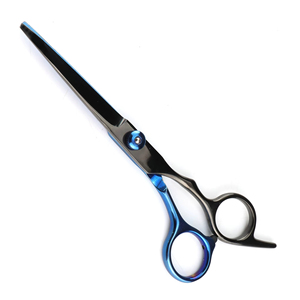
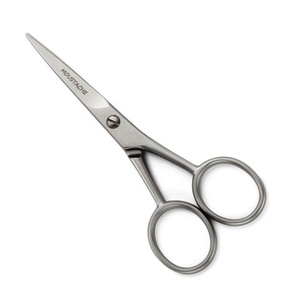
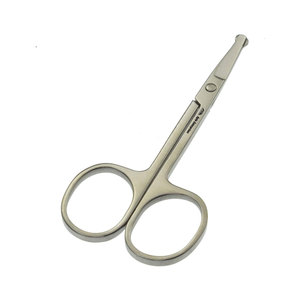
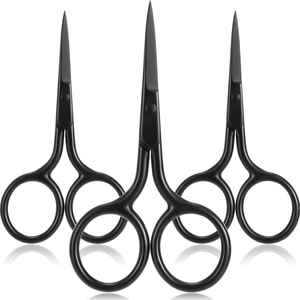
Furthermore, automated CNC blade alignment has largely replaced inconsistent manual bending. Modern grinding machines calibrate blade curvature within a tolerance of ±0.02mm, ensuring that nippers, cuticle pushers, and pedicure scissors cut cleanly through fibrous tissue without chewing or pulling.
3. Strategic B2B Sourcing Trends for Global Buyers
Procurement teams navigating the post-2024 global economy face shifting tariffs, stringent regulatory demands (such as EU REACH and US FDA registration for cosmetic tools), and rising consumer demands for sustainable packaging. Successful procurement directors are adopting three primary strategic frameworks:
- Dual-Hub Manufacturing Strategy: Coupling high-volume automated component manufacturing in China with specialized hand-finishing craftsmanship from established instrument clusters like Sialkot, Pakistan. This ensures cost competitiveness alongside artisanal blade sharpness.
- Eco-Conscious Packaging Integration: Moving away from single-use PVC plastic pouches to FSC-certified paperboard boxes, aluminum travel cases, and biodegradable vegan leather organizers.
- Real-Time Quality Verification: Requiring tier-1 suppliers to provide chemical composition certs (spectrometer testing) and salt-spray test reports (ASTM B117) prior to shipping container loads.
4. Manufacturing Capability Benchmark & Enterprise Competitive Advantage
When evaluating OEM pedicure kit manufacturers, business buyers must inspect the facility's underlying engineering workflow. Our production infrastructure combines legacy craftsmanship dating back to 1978 with modern quality management systems:
The 5-Stage In-House Quality Assurance Lifecycle
- Raw Material Inspection: Spectrometric testing of arriving stainless steel bars to verify chromium (12-18%) and carbon content before forging.
- Hot Drop Forging: High-pressure forging dies shape the initial instrument blank, densifying the grain structure for high tensile strength.
- Vacuum Heat Treatment: Hardening in controlled-atmosphere vacuum furnaces to achieve an optimal 52-56 HRC, followed by cryogenic tempering.
- Hand Grinding & Edge Alignment: Master craftsmen adjust jaw tension, hone cutting edges under magnification, and balance pivot points.
- Ultrasonic Cleaning & Passivation: Removal of grinding compounds followed by nitric/citric acid passivation to form an impenetrable chromium-oxide anti-rust barrier.
With direct export coverage spanning 85+ countries, full OEM/private label capabilities, and custom laser-engraving capabilities, our manufacturing facility offers wholesale buyers direct factory pricing without agent markups.