Forged from surgical-grade stainless steel with hand-honed blade gradients for professional barbers, beauty distributors, and OEM private labels.
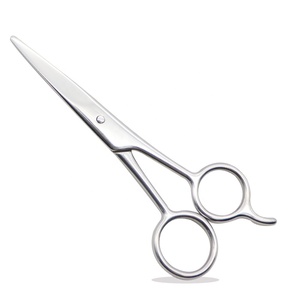
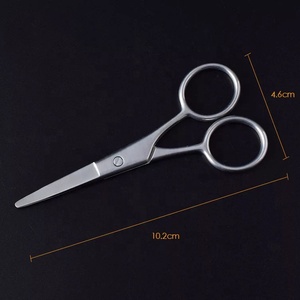
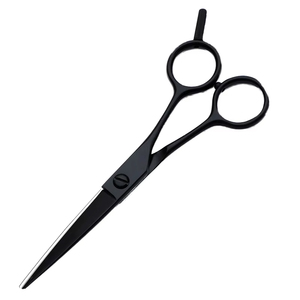
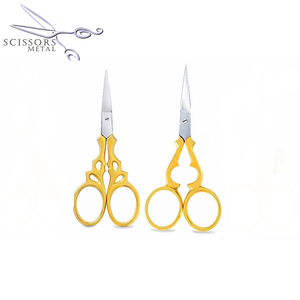
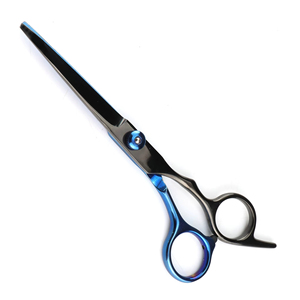
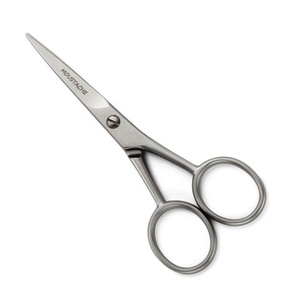
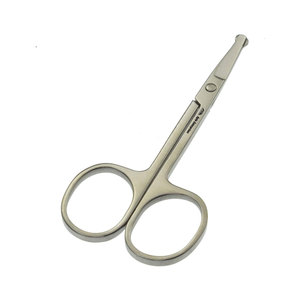
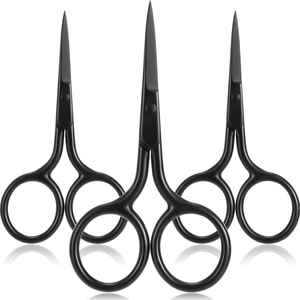
An in-depth analysis of blade arc geometry, shear force distribution, metallurgical selection, and mass-manufacturing tolerances for enterprise procurement officers.
In high-precision grooming, surgical cuticles, medical procedures, and industrial trimming, the geometrical integrity of a curved blade dictates both user ergonomics and cutting efficiency. Unlike traditional straight shears, curved scissors introduce a complex three-dimensional shearing angle. When two opposing curved blades pivot on a central axis, the point of contact (the scissor apex) must maintain constant, micro-calibrated friction from the screw pivot all the way to the tip. Achieving this balance in mass production requires advanced metallurgical heat treatment, robotic vacuum tempering, and hand-honed blade alignment—hallmarks of industrial manufacturing excellence at Espak International.
The operational lifespan of a curved shear depends heavily on its underlying alloy chemistry. B2B buyers must evaluate mechanical hardness (measured on the Rockwell C scale, HRC), corrosion resistance, and edge retention capabilities when selecting raw materials for OEM or private-label production lines.
| Stainless Steel Grade | Hardness Rating (HRC) | Corrosion Resistance | Primary Application & Industry Target |
|---|---|---|---|
| AISI 440C High-Carbon | 58 - 60 HRC | High (Sub-zero Tempered) | Premium Barber Shears, Professional Stylist Tools |
| J2 / 420J2 Surgical Grade | 52 - 54 HRC | Exceptional | Surgical Cuticle, Facial Trimming, Personal Care |
| Japanese SUS 410 | 48 - 50 HRC | Moderate-High | High-Volume Promotional Grooming Sets, Multi-Packs |
| Titanium-Coated Stainless | 56 - 58 HRC (Surface 70+) | Maximum (PVD Vacuum) | Luxury Grooming Brands, Chemical-Resistant Tools |
The fundamental advantage of curved scissors lies in their natural alignment with anatomical contours. Whether navigating the delicate cuticles of a manicure client or trimming facial hair along the upper lip, the curved profile prevents straight-edge gouging. Engineering a zero-gap clearance requires our factory artisans to apply a secondary hollow-grinding pass (Ride Line grinding) along the interior blade face. This prevents blade locking while ensuring that the cutting action remains smooth across all 4.5 inches of instrument length.
Combining historic craftsmanship from Sialkot's surgical instrument hub with rigorous ISO-certified production standards.
We operate our own drop-forge presses, vacuum heat-treatment furnaces, and polishing lines at our Sialkot industrial campus. No middle trading houses or subcontracting risks.
Every single pair of curved scissors undergoes dimensional tolerance testing, sharpness paper-cut verification, tension balance adjustment, ultrasonic cleaning, and final pack audit.
From laser-engraved brand logos and custom PVD color coatings (Matte Black, Rose Gold, Rainbow) to custom retail blister boxes and leather pouches—we manufacture to your specs.
Key shifts in consumer demand, material innovation, and supply chain strategies shaping global beauty and medical instrument sourcing.
Commercial salon buyers and professional barbers are increasingly prioritizing musculoskeletal wellness. Long hours of repetitive trimming lead to strain injuries such as Carpal Tunnel Syndrome. Modern procurement contracts now mandate ergonomic offset handles and widened anatomical finger rings lined with hypoallergenic silicone inserts. Manufacturers capable of casting dynamic, tension-reducing handle profiles are capturing a growing share of the premium market.
Global beauty conglomerates are pushing for strict Scope 3 emission compliance across their vendor networks. Sustainable sourcing is no longer optional. Modern manufacturing plants are implementing zero-waste scrap recycling, where stainless steel off-cuts from drop forging are reclaimed, re-smelted, and converted into surgical-grade industrial components. ESPAK International leads this transition by deploying eco-friendly passivating baths and plastic-free recyclable export packaging.
Traditional nickel electroplating is rapidly declining due to strict EU REACH nickel-release regulations and skin sensitivity concerns. The industry standard has shifted toward Titanium PVD (Physical Vapor Deposition) coatings. PVD vacuum deposition applies a sub-micron layer of Titanium Nitride (TiN) or Titanium Carbonitride (TiCN), boosting blade surface hardness to over 70 HRC while imparting scratch-resistant colors such as Deep Charcoal, Satin Gold, and Iridescent Spectrum.
Mitigate product defect risks and safeguard your brand reputation by using this technical audit protocol before signing bulk purchase agreements.
Inspect whether the scissor pivot uses a cheap fixed rivet or a precision tension screw (either flat-head slot or micro-ratchet dial). Adjustable tension systems allow professional users to re-tune blade alignment as the steel wears down over millions of cut cycles.
For facial hair, nose hair, and cuticle applications, tip safety is vital. Curved scissors must feature rounded ball-tips or micro-ground blunt edges to prevent accidental skin puncture during delicate facial grooming.
Convex blades (Japanese style) deliver ultra-smooth, razor-sharp cuts ideal for hair sliding, whereas beveled blades (German style) provide robust durability for coarse beard hair and nail trimming. Demand exact edge-angle reports from your supplier's laboratory.
Clear answers regarding OEM minimum order quantities, production lead times, material certifications, and custom sample requests.
Request a comprehensive product catalog, customized OEM quotation, or physical sample kit within 24 hours. Connect directly with our Sialkot engineering team today.